Measure actual capacity, not only nameplate ratings
A nameplate rating describes a set of assumptions that may not match the current ore or operating condition. Effective plant capacity also depends on operating hours, availability, recirculation and the ability of downstream units to accept the flow.
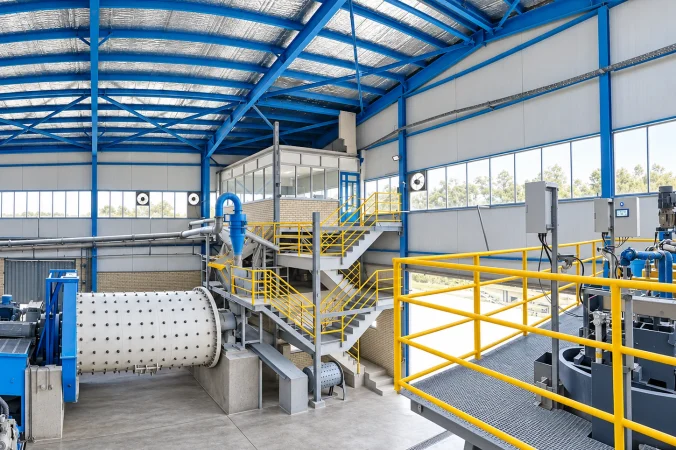
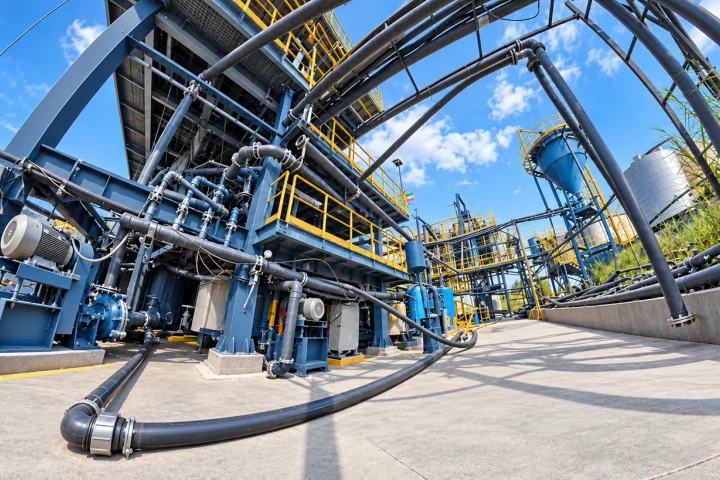
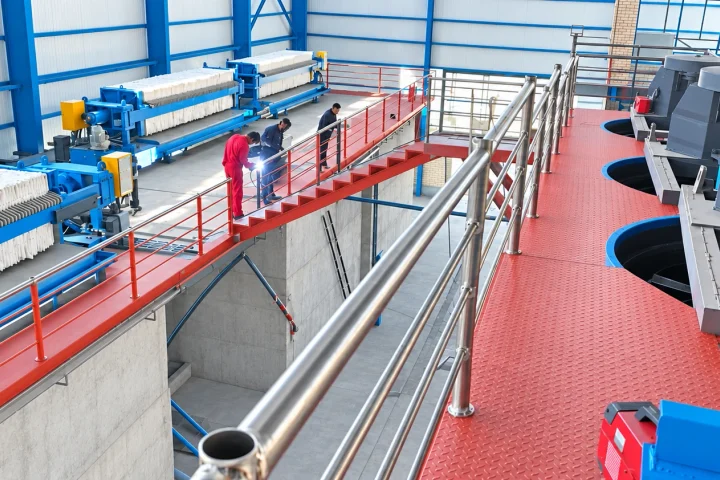
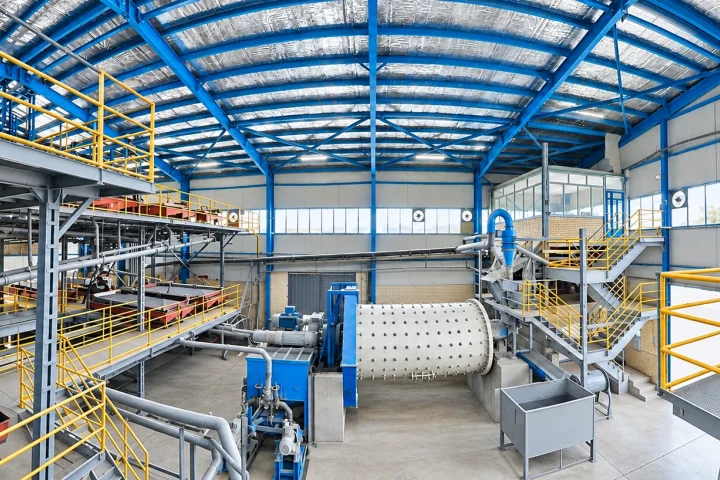
Zarfaravar capacity studies start with the complete chain: crushing, grinding, separation, transfer, dewatering and supporting utilities. The result should distinguish a demonstrated constraint from an assumption based only on catalogue data.
- Sustained throughput and operating hours
- Feed variability and recirculating streams
- Unit availability and storage limitations
- Water, power, product and tailings handling
Locate the bottleneck under relevant conditions
The limiting unit may change with ore type, moisture, product specification or maintenance condition. One observation at peak production is therefore not enough to define the expansion. Production records, field measurements and circuit balances should be considered together.
The study should establish what happens as feed increases: where inventories build, where control becomes unstable, and where product quality or recovery begins to deteriorate. This gives the next test or engineering check a specific purpose.
Debottlenecking or a new parallel line?
Debottlenecking aims to release capacity from existing assets through targeted changes. A new line may offer a larger increase but introduces broader equipment, infrastructure and operating requirements. Neither option is universally preferable.
Zarfaravar compares scenarios with their dependencies visible. Control improvements, transfer modifications, selective equipment upgrades and larger expansions can be assessed as stages rather than treated as one indivisible investment.
- Operating and control changes
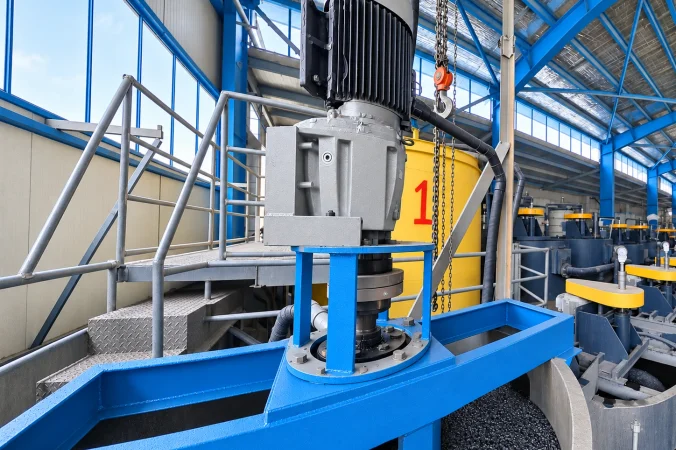
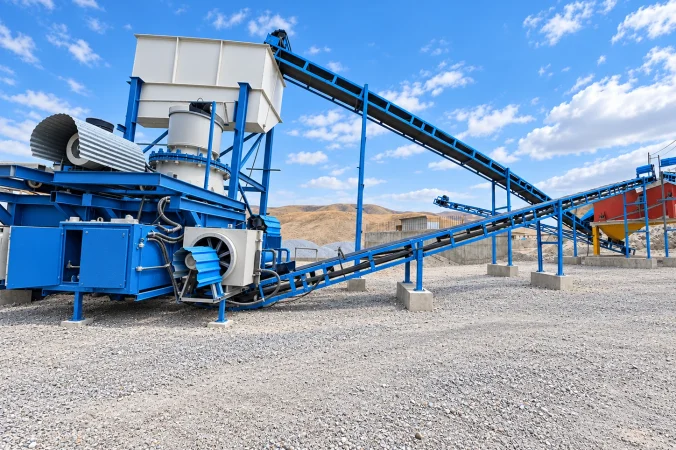
- Transfer or local equipment modifications
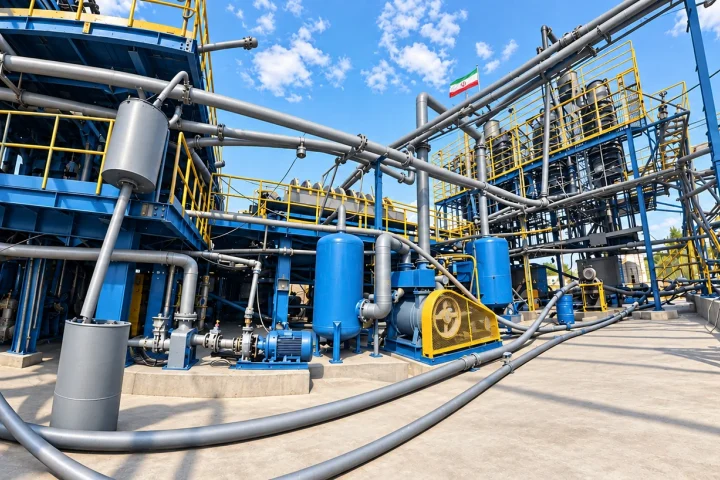
- Supporting utility upgrades
- Parallel equipment or a new processing line
Protect recovery and quality at higher throughput
Increasing feed can reduce residence time, change grinding performance and overload separation or water recovery. A higher tonnage figure can therefore conceal a lower saleable-metal output or an off-specification product.
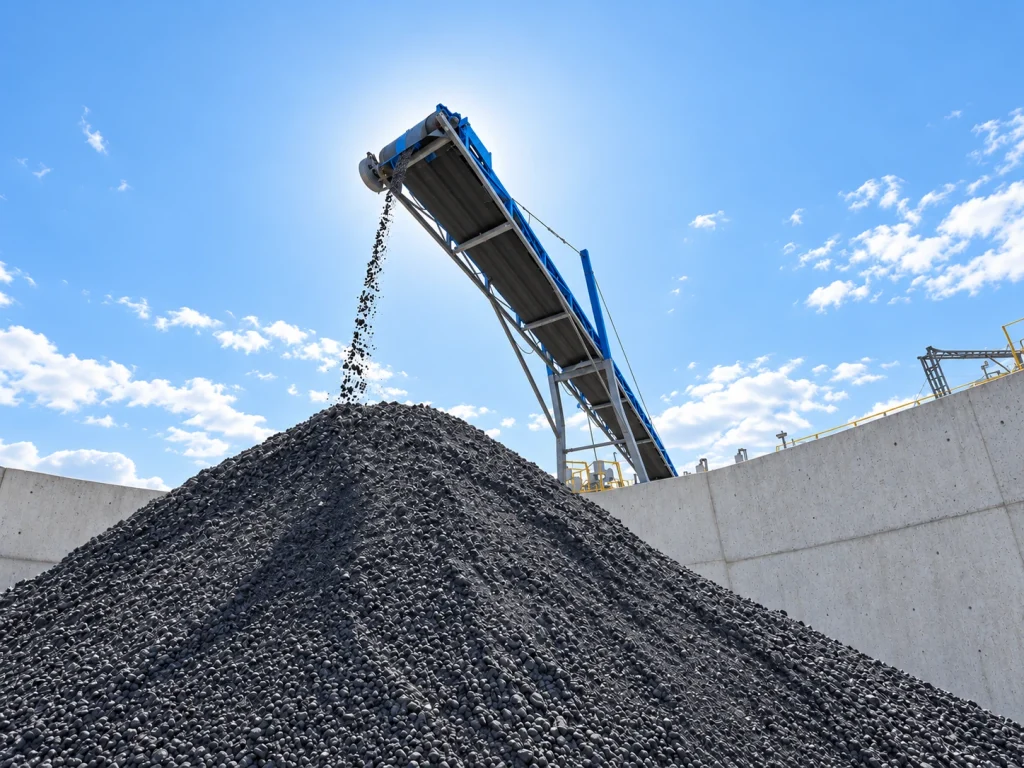
The target capacity should be evaluated with the required grade, recovery and availability. Trials and calculations need to include the downstream and utility effects, not just demonstrate that the first conveyor can move more material.
Plan brownfield tie-ins and shutdowns early
An operating plant imposes access, isolation and production constraints on construction. Tie-ins, temporary arrangements, delivery sequence and commissioning responsibilities can determine whether an otherwise attractive scenario is practical.
Shutdown limitations should influence option selection from the beginning. Once the preferred route is defined, the installation sequence and readiness requirements can be developed in more detail with the responsible site teams.
Make the investment case explicit
Capacity options should show their expected production effect, study-level cost basis, uncertainty and implementation time. A lower-capital step may provide a useful early gain; a larger expansion may require infrastructure and longer interruptions.
For a Zarfaravar enquiry, provide current production data, equipment information, the flowsheet and the target increase. The study can then establish the testing and engineering needed for a decision-ready roadmap rather than promising a capacity percentage without evidence.