Processing studies and feasibility
The study team brings mineralogy, test results and product requirements together to assess processing alternatives and establish a technical and economic basis for development.
Interpretation should distinguish a measured result from a design assumption or a question that still needs testing. This helps the client assess circuit choices and investment decisions.
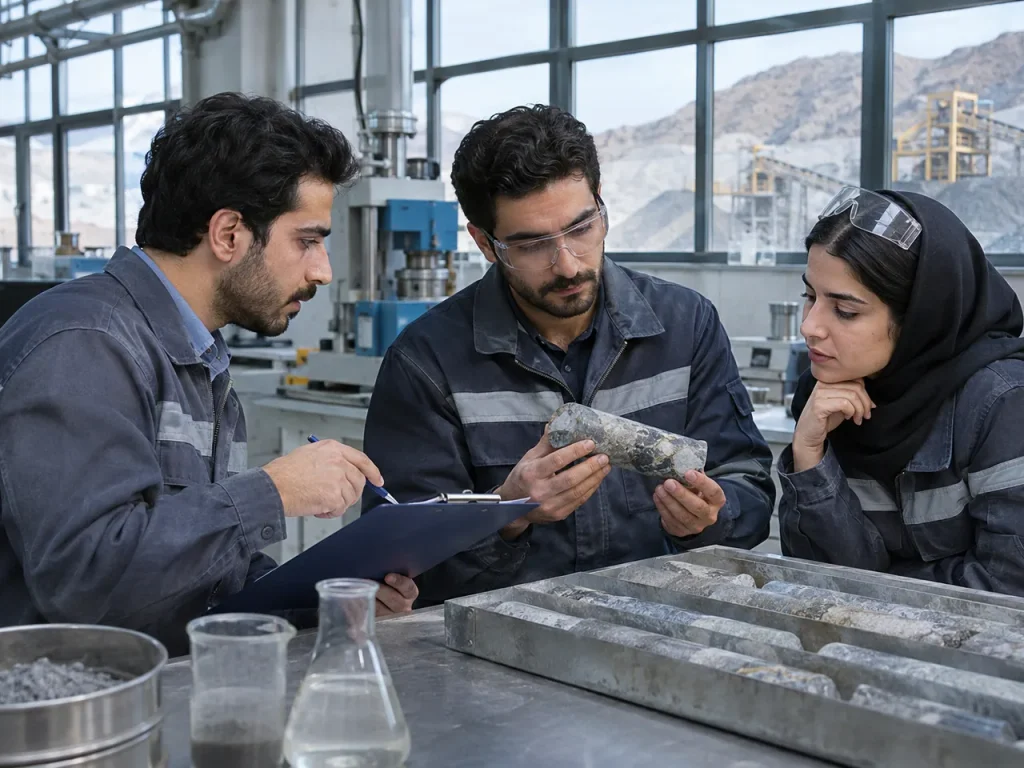
Laboratory work in conversation with design
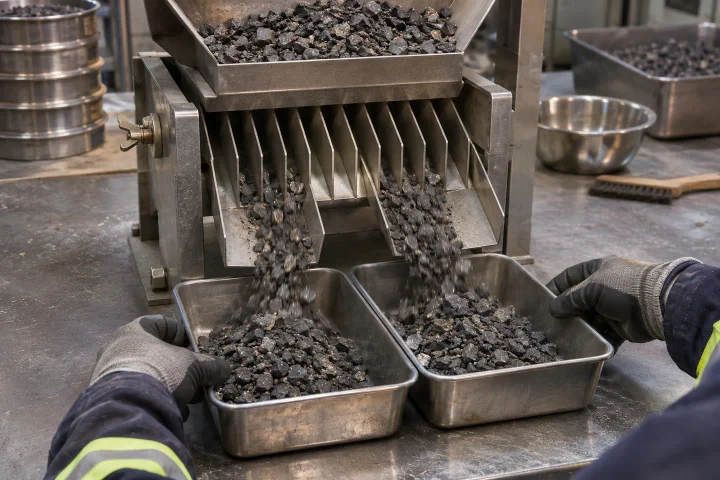
Laboratory specialists record test conditions and material response. Process engineers use that evidence for flowsheets and balances, while emerging design questions inform the next tests.
Simulation, plant optimisation, basic and detailed engineering and 3D modelling are among the technical unit’s published capabilities. Their use depends on the agreed scope and development stage.
Coordination across engineering disciplines
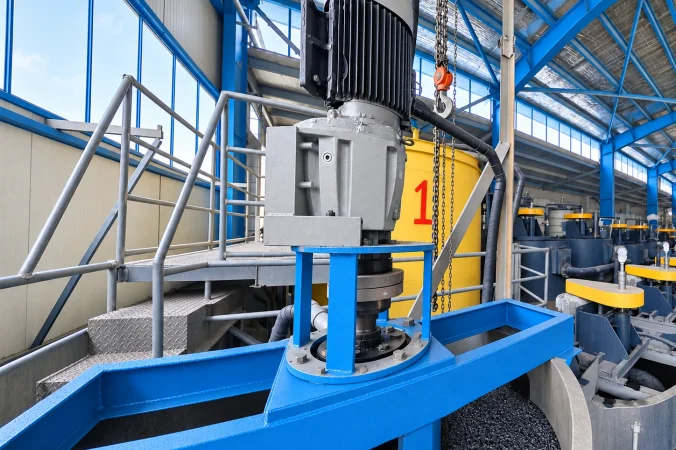
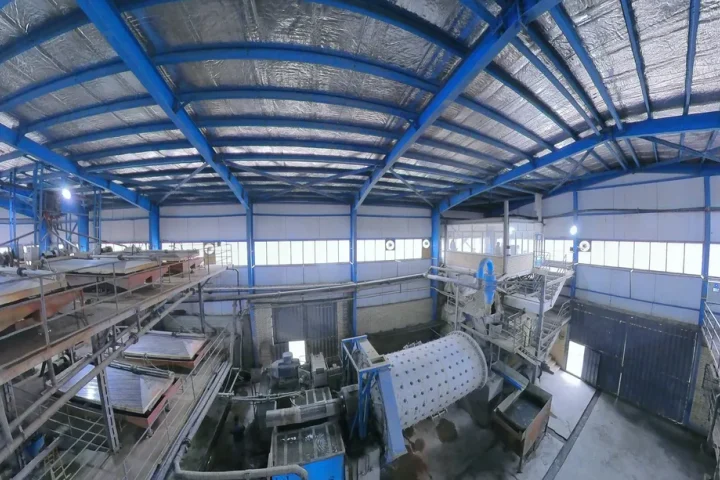
Equipment selection affects layout, structural loads, electrical demand and maintenance access. Process, mechanical, civil and electrical documents therefore need consistent inputs.
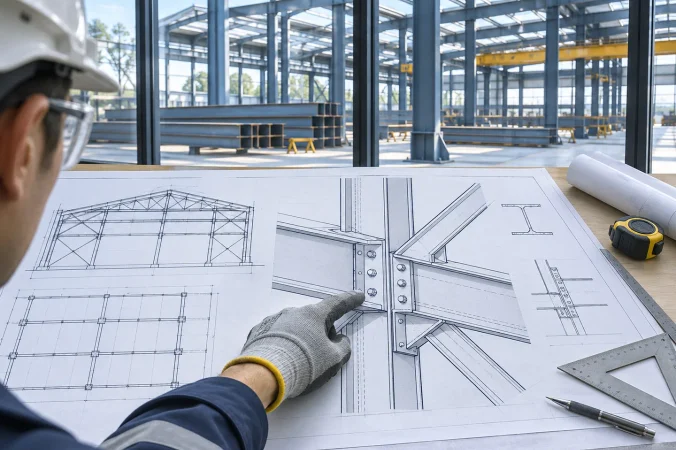
Model and drawing reviews help assess installation routes, operator access and equipment interfaces before construction. Unresolved matters and required vendor information should remain visible in the document workflow.
Keep engineering connected to the site
Fabrication, installation and commissioning feedback helps complete the design. Site questions should refer to the relevant drawing and design basis; necessary changes need their effects on other disciplines reviewed.
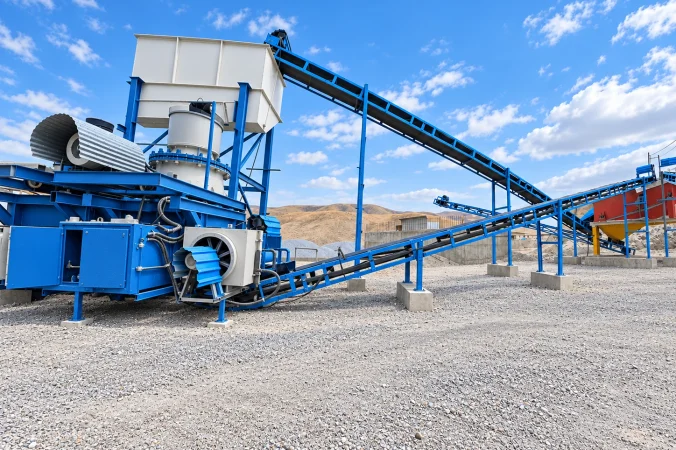
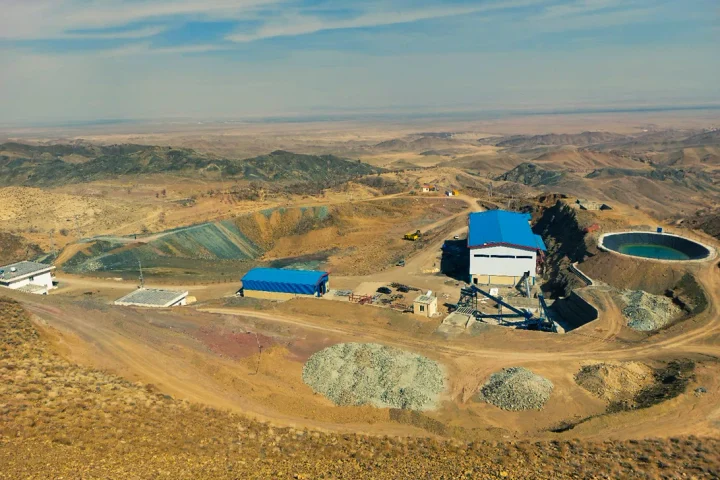
The project portfolio provides examples across copper, gold, tin, hematite and recycling. At the start of an engagement, team responsibilities and the required expertise are matched to the particular problem.