
Structural design is part of the process plant
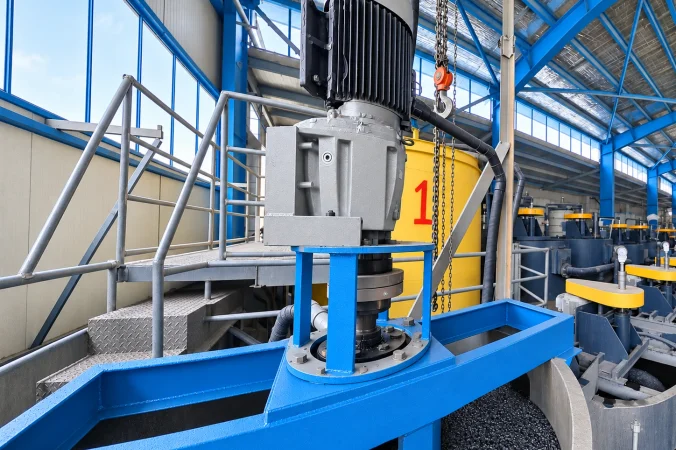
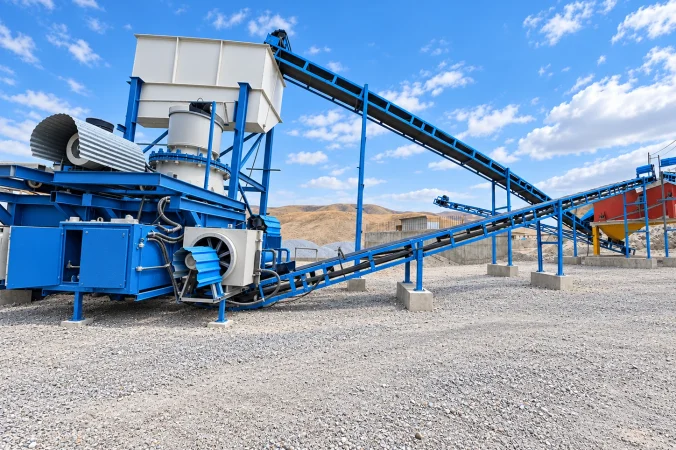
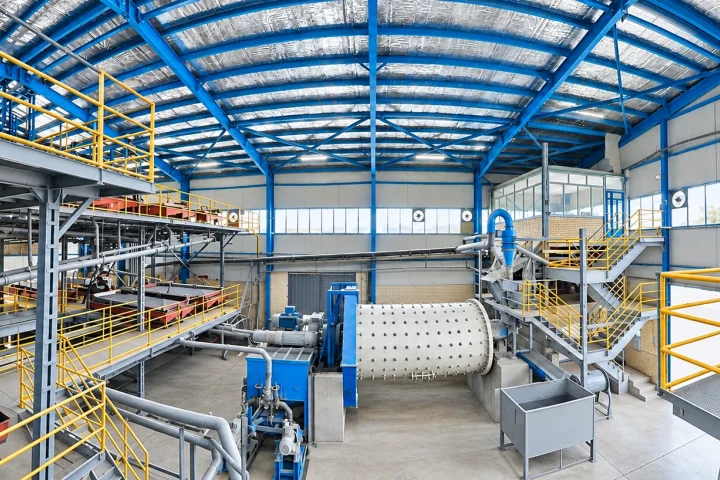
A processing structure is more than a frame beneath a machine. It must accommodate material flow, pipes, cables, lifting routes and people. Equipment operating loads, stored material and maintenance cases may differ significantly, so a single weight figure is rarely sufficient.
Zarfaravar connects civil and structural inputs to process and mechanical engineering. An agreed load register and coordinated layout help avoid late changes to columns, access platforms or foundations after equipment has already been ordered.
- Operating, empty and maintenance load cases
- Equipment interfaces and anchor locations
- Access, lifting and replacement routes
- Site conditions and geotechnical information
Equipment foundations and geotechnical inputs
The foundation concept depends on soil conditions, settlement constraints and the forces transmitted by the equipment. Vendor information, geotechnical investigations and the surrounding structures should be reviewed together. Missing information should be recorded as a dependency rather than replaced with an unexplained assumption.
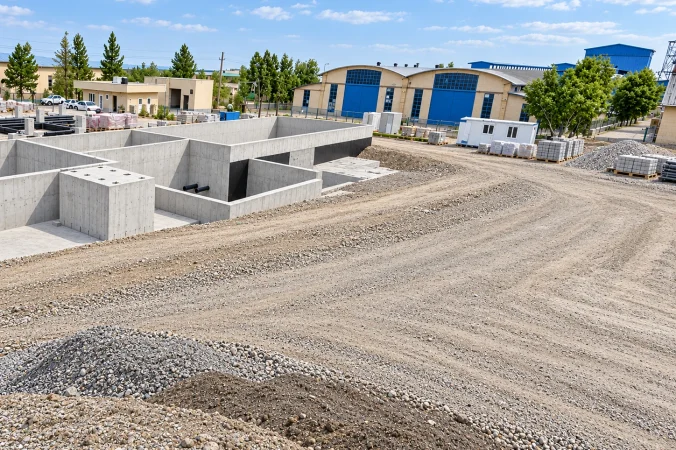
Foundation engineering also needs construction details that work on site: anchor settings, embedded items, equipment clearances and interfaces with drainage or underground services. These details should be coordinated before concrete placement.
Dynamic loads and vibration need explicit review
Rotating and vibrating equipment can introduce loads that cannot be assessed from static mass alone. Operating frequencies, unbalanced forces, supporting stiffness and the surrounding structure influence the required analysis. Generic foundation dimensions are not a substitute for equipment-specific inputs.
The structural scope should establish where dynamic analysis or additional supplier data is required. Acceptance criteria, applicable design requirements and the intended operating conditions must be agreed by the qualified project engineers.
- Supplier dynamic-load data and operating speeds
- Supporting stiffness and adjacent equipment
- Operating and maintenance criteria
- Documented assumptions and review points
Design access for operation and maintenance
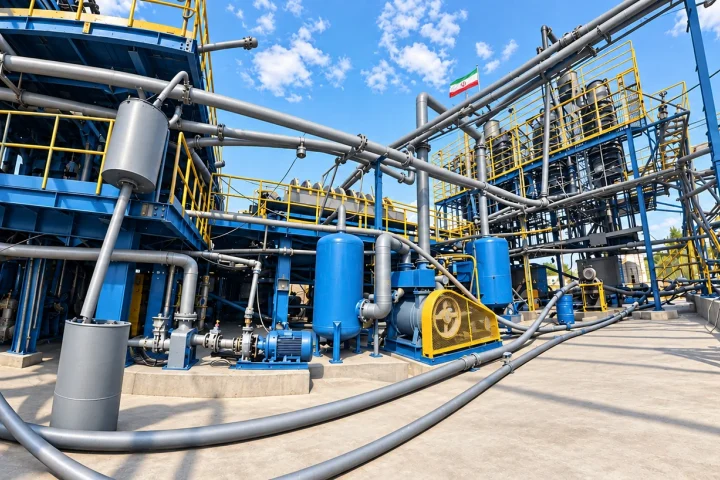
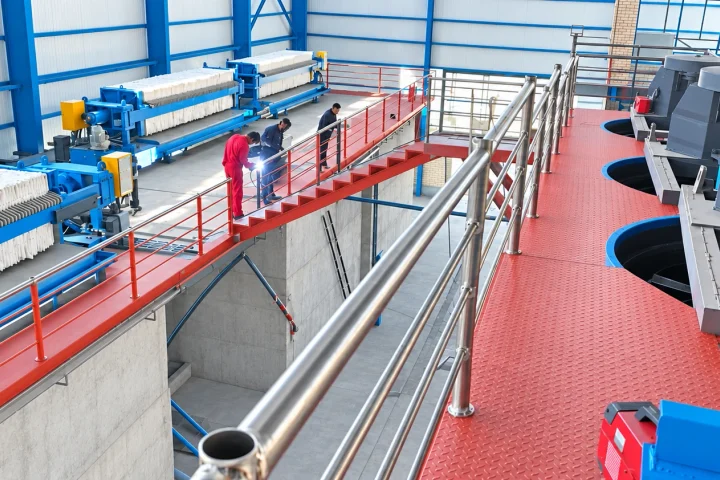
An accessible plant is easier to inspect and maintain. Platforms, stairs and working areas should be planned around the actual tasks, including component removal and safe movement of loads. A route that looks adequate in plan may still be obstructed by pipes or cable trays.
Coordinated models and interdisciplinary reviews help identify these conflicts. Zarfaravar treats access and maintenance envelopes as design inputs rather than items to be added after the steelwork is complete.
Brownfield structures and future expansion
Reusing an existing structure requires reliable information about its geometry, condition and original design. New equipment may change both the load path and vibration behaviour. A visual resemblance to a previous installation does not establish spare capacity.
For an expansion, site verification, available calculations and the planned tie-ins should guide the assessment. Temporary works, access restrictions and shutdown requirements may influence the preferred solution as strongly as the final structural arrangement.
What to prepare for a structural design enquiry
Provide the plant layout, geotechnical information, equipment datasheets, vendor loads and existing drawings where available. Clarify whether the project needs concept comparison, a detailed construction package or assessment of an operating structure.
Zarfaravar can then define the required engineering inputs and deliverables with the other disciplines. Calculations, foundation and steelwork drawings should have consistent revisions so that site teams build against a traceable design basis.