



Start procurement engineering with a clear duty
A supplier can only offer against the requirements it receives. Capacity, material properties, operating conditions and interfaces should be defined in the requisition. If one bidder includes a drive, controls and commissioning support while another quotes only the machine, the headline prices are not comparable.
Zarfaravar procurement engineering connects the enquiry package to the design basis. Technical boundaries, document requirements and exclusions can then be discussed before they become construction or commissioning surprises.
- Process duty and operating envelope
- Battery limits and supplied accessories
- Utilities, controls and mechanical interfaces
- Documentation, inspection and support requirements
Material requisitions and requests for quotation
The material requisition identifies what is required and why; the enquiry package gives bidders a consistent basis for responding. Datasheets, specifications, drawing requirements and an expected document schedule help expose missing scope early.
Requirements should be proportionate to the equipment. A catalogue item and a custom process unit need different levels of technical review. Excessive generic clauses can obscure the few conditions that actually control performance and integration.
Technical bid evaluation: compare like with like
A technical bid evaluation records how each offer meets the enquiry. Deviations, unconfirmed assumptions, exclusions and clarification responses should remain visible. Commercial price comparisons become more meaningful once the technical scope has been aligned.
The evaluation can consider performance evidence, materials, maintainability, spare parts, delivery interfaces and support. Zarfaravar documents the technical recommendation so that the client can see the trade-offs rather than receiving an unexplained supplier ranking.
- Compliance and deviations against the same specification
- Included and excluded items
- Performance and maintainability considerations
- Open questions requiring written clarification
Vendor documents are engineering inputs
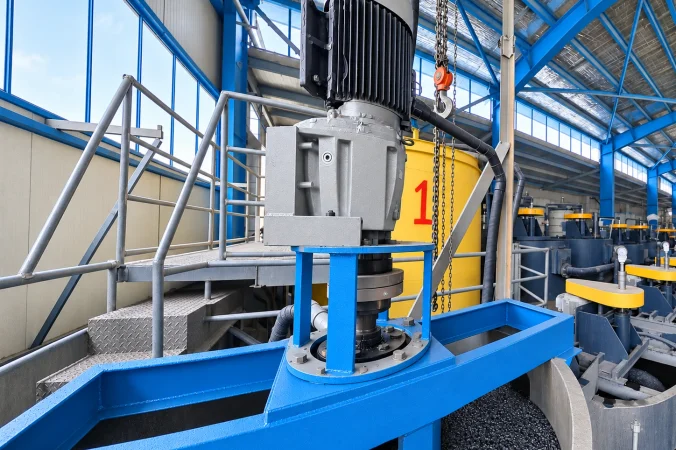
Equipment purchase does not end the design interface. Certified dimensions, foundation loads, motor data and control requirements affect other disciplines. Late or changing supplier information can force redesign even after the purchase order is placed.
A vendor document register helps track submissions, review status and dependencies. Comments need to be resolved against the design basis, with changed information passed to the affected engineering teams.
Inspection, testing and handover requirements
Inspection requirements should reflect the equipment risk and the agreed specification. Applicable checks may include materials, dimensions, assembly and functional tests. Hold points and witness points need clear responsibilities and notice periods; they are not interchangeable labels.
The procurement package can also define records needed at handover, including manuals, test evidence and spares information. These requirements are easier to manage when agreed before manufacture rather than requested at dispatch.
Control lifecycle cost and purchasing boundaries
Purchase price is one part of the decision. Energy, wear parts, maintenance downtime, delivery risk and the ability to obtain support also affect the plant. These factors should be compared with transparent assumptions, not presented as precise savings without operating evidence.
For a Zarfaravar enquiry, provide the equipment list, existing specifications, schedule and any supplier proposals already received. Technical evaluation, commercial negotiation, inspection and purchasing authority should be separated explicitly in the agreed scope.