

Commissioning begins in engineering
Drainage, flushing, sampling, isolation, access and safety logic must be designed in. Otherwise temporary field modifications become necessary.
Systemization, test ownership, acceptance records and handover sequence should be established before construction ends.
Mechanical completion and no-load tests
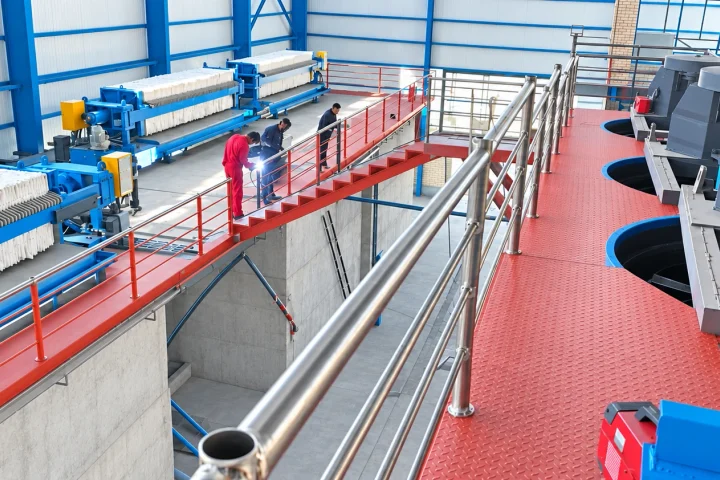
Installation, alignment, lubrication, cable termination and instrumentation are checked and documented. Rotation, interlocks, emergency stops and control logic follow without ore.
Every test requires an acceptance criterion, record and owner for defect closure.
- Installation, alignment and lubrication
- Instrument loop checks
- Interlock and emergency-stop tests
- Guards, access and LOTO verification
- Punch-list control
Water commissioning
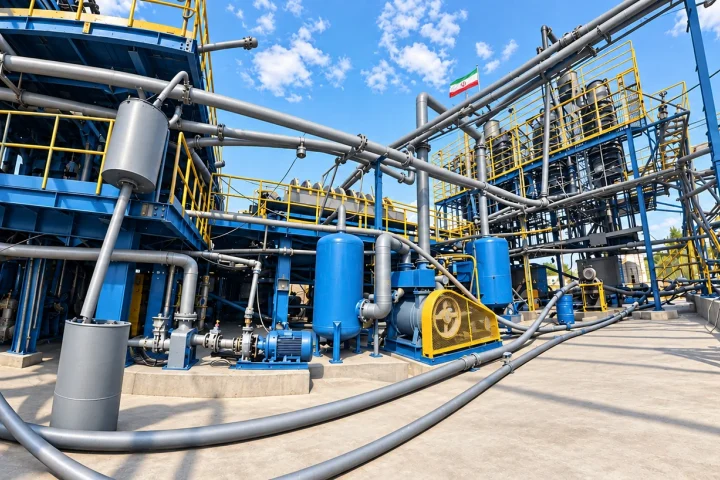
Pumps, piping, tanks, valves, level control, leaks and overflows are tested under hydraulic load.
Water circulation allows full start-stop sequences and the preliminary water balance to be verified without valuable feed.
Ore introduction and controlled ramp-up
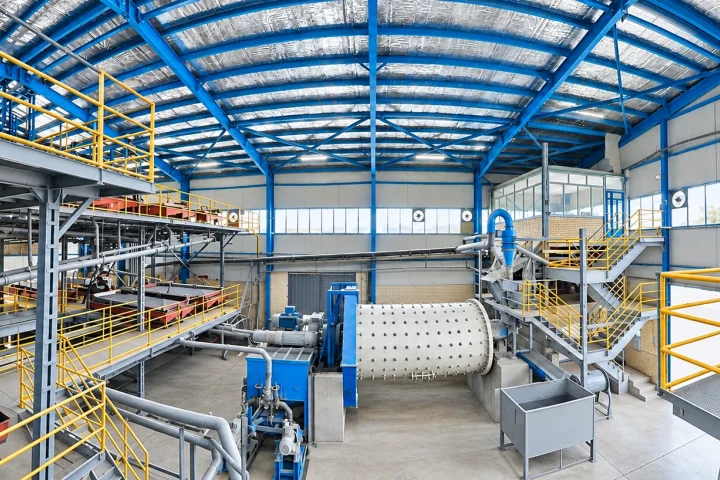
Feed starts low and stable. The first objective is to stabilize size, density, levels, circulating load and quality—not instant nameplate throughput.
Ramp-up tracks throughput, availability, recovery, grade, energy, reagents and downtime.
Performance handover means repeatability
A short good run is not stable production. Performance must be repeatable during an agreed period and feed envelope.
Training, operating procedures, maintenance plans, spares and final settings are part of handover.
FAQ
Frequently asked questions
What is the difference between dry and hot commissioning?
Dry commissioning checks mechanics, electrical systems and controls without ore. Hot commissioning introduces feed and stabilizes metallurgical performance.
When is the plant ready for ore?
After mechanical completion, critical punch-list closure, safety and interlock tests, successful water commissioning and initial operator readiness.
When is ramp-up complete?
When capacity, quality, recovery and availability are repeatable for the agreed feed and test period.
REFERENCES
Technical sources
Sources are provided for further technical reading. Final engineering decisions require project-specific testwork.